Hello all.
I wanted to share some fictional books written by Palestianian authors. I won’t spend time talking about all the horror that is happening in Gaza right now because I want to shine a light on the gorgeous words that have come from the people of Gaza.
There are NO spoilers below, but I urge you to read as many of these as you can. The prose is lyrical, beautiful and heartbreaking.
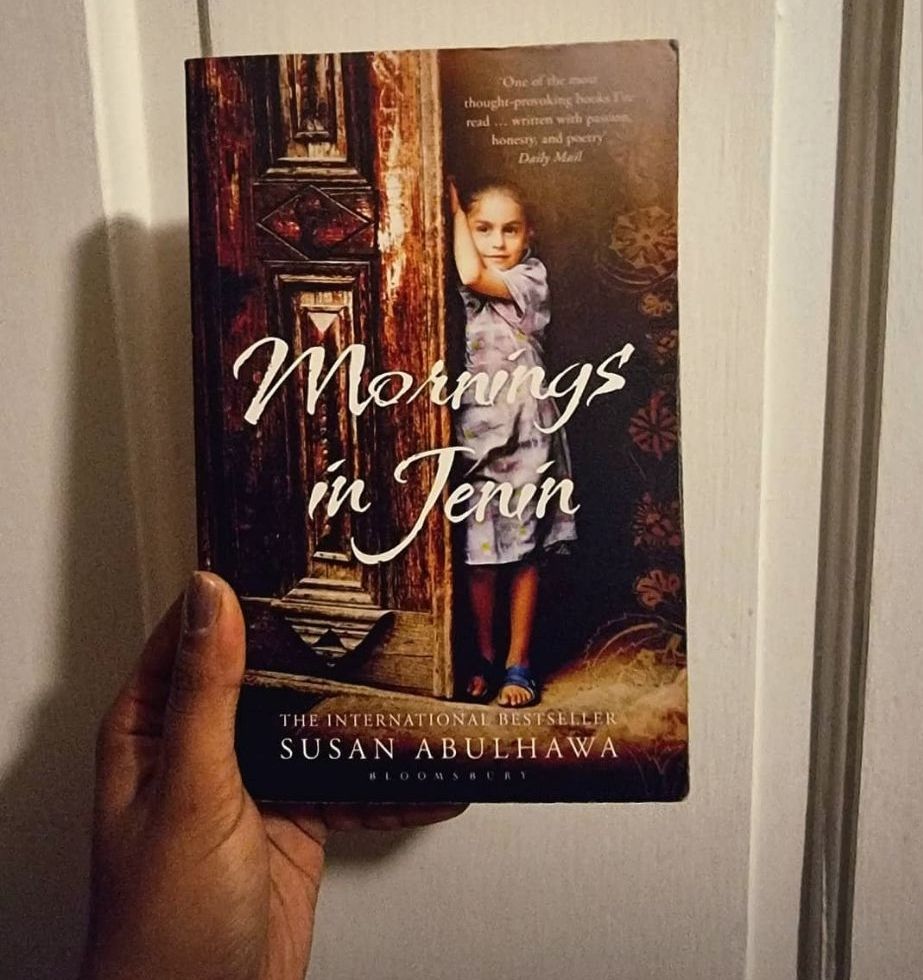
Mornings in Jenin
Starting off with a gut-wrenghing novel. Amal is born into the refugee camp of Jenin after her family was forced to flee Palestine in 1948. But here’s the kicker – her brother, a baby at the time, is stolen away by an Israeli soldier.
The vivid imagery that runs through this really immersed the reader and keeps you engaged and hooked until the very end. She really does get across feelings of hopelessness and grief, which can make it difficult to read, but it’s so necessary.
Against The Loveless World
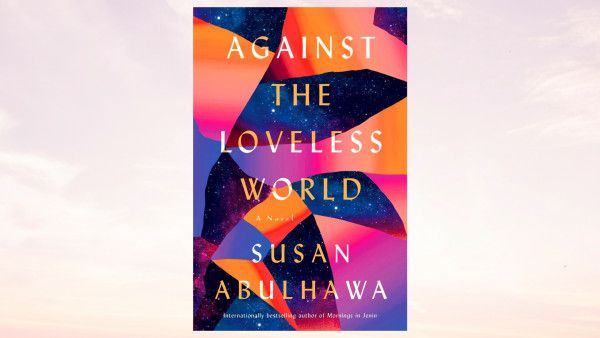
Another by Susan Abulhawa – I really do enjoy reading her work!
This novel. Where do I even begin? Following a young Palestinian refugee, Nahr, we listen to her story, which is being told from solitary confinement, as she becomes more and more radicalised.
Abulhawa blends fact with fiction and it haunts me to this day. It’s a book I think about every couple of days to be honest. The rawness of the prose, the gritty nature of what it means to be a women who is dealt a hand and has to make do in a world that is not meant for her at all.
The Sea Cloak & Other Stories
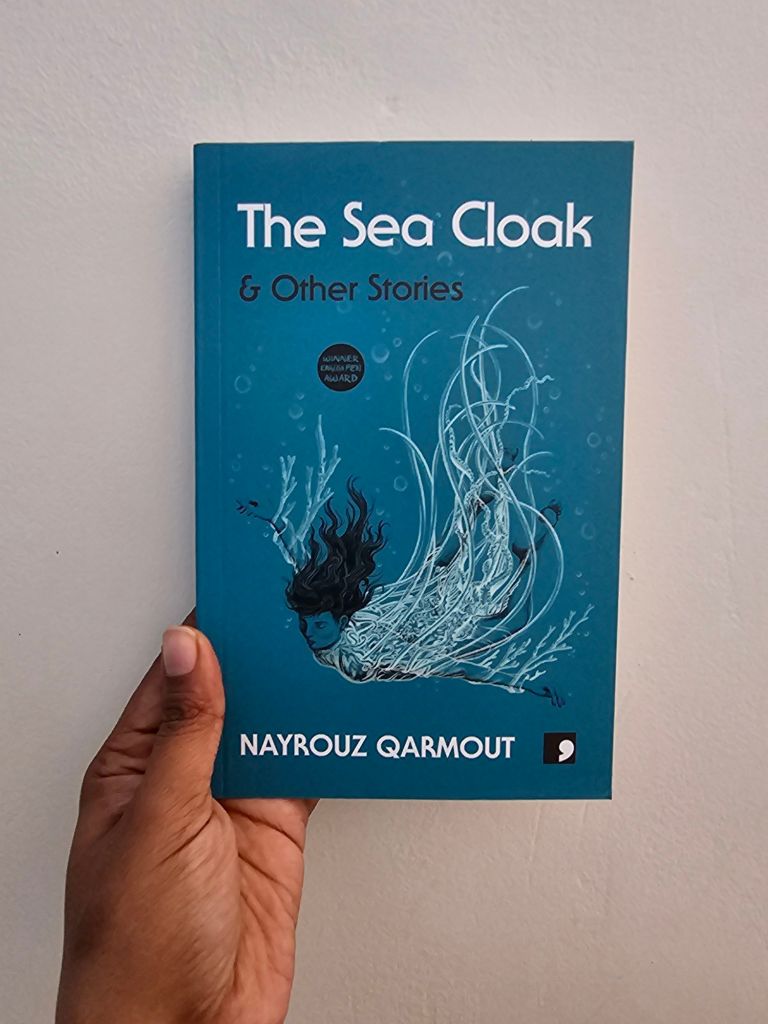
A collection of short stories from Nayrouz that are drawn from her experience of growing up in Gaza. This is a short book, only 100 pages, with 11 stories.
Quick snippets and insights into a range of different characters and a real focus on what it is like to live in Gaza – forcing the reader to envision life there. Short stories are always so much hard hitting I find, because of their length. The message hits harder, the words are more scathing and the prose is more sharp.
I think my favourite short story from the collection was ‘Pen and Notebook’, but they were all gorgeous.
If you are a fan of Susan Abulhawa, then I think you’d really enjoy this!
Minor Detail
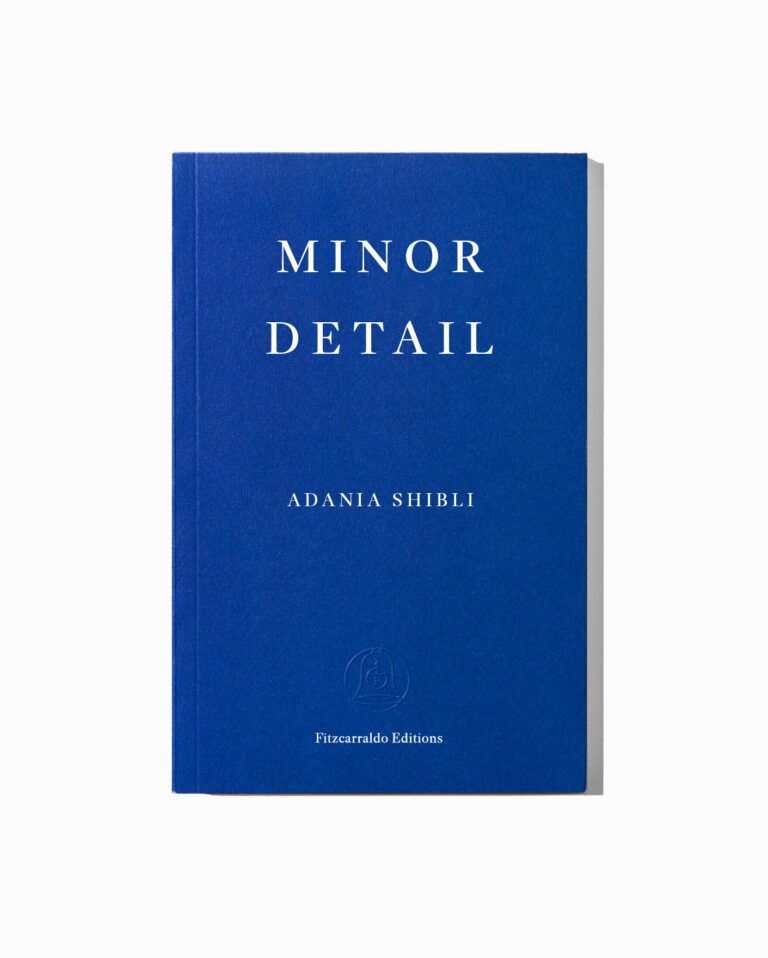
Don’t be fooled by the length. Whilst this is very small, 112 pages, it packs a massive punch in feels. I was gifted this by a friend last year and it has stayed with me ever since. If you can’t commit to something longer, this is a great, but impactful, one to start with.
Shibli intertwines the modern with the past. A Palestinian writer risks her life to find out more information about a young Palestinain girl who is raped, killed and buried by Israeli soldiers in 1948.
The story is hauntingly beautiful. The title encapsulates life – how one minor detail can strike any one of us and change our entire trajectory in life. Shibli’s narrative is sharp and gets to the point – there is no hiding.
Returning to Haifa
Another short read and a play! I have to read the novella, but the play packs a punch. I read this and feeling more and more deflated and desolate as I got towards the end because I knew how it was going to end, but that didn’t take away from the story.
Two families – one Palestinian, one Israeli – are forced to live out their stories side by side. Starting in 1948, after the Nakba, the plot travels through to 1967, the Six days war, where Said and Saffiya dare to travel back to their home in Haifa and the memories that dome with it.

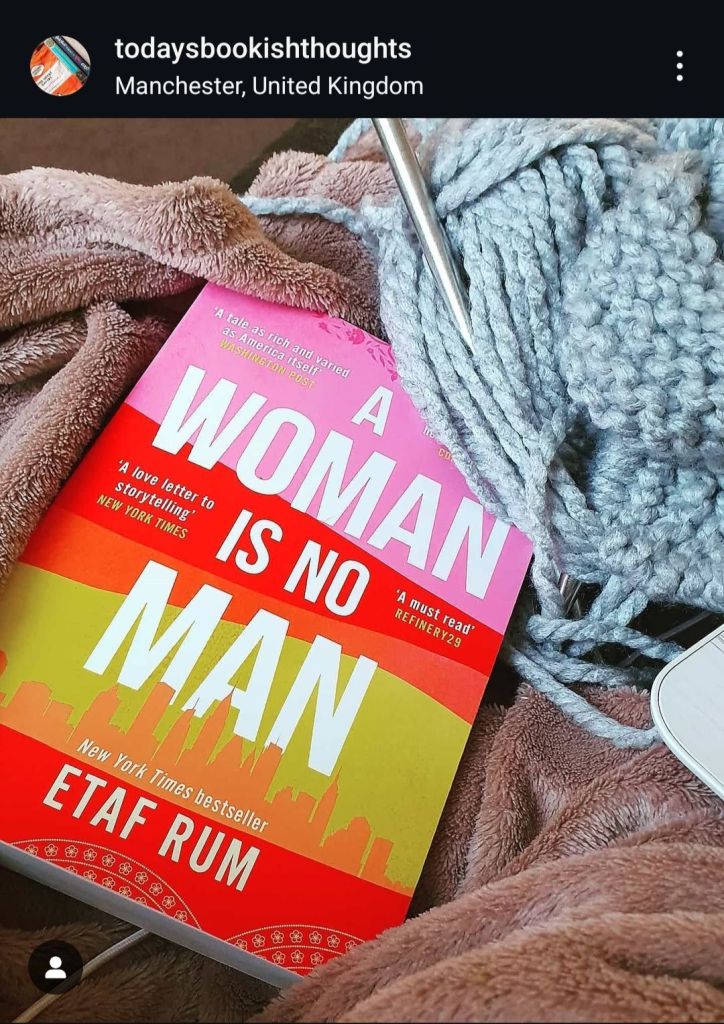
A Woman Is No Man
Set in America, Rum tells the stories of three generations of one family of Palestinian American women and their struggle to find their place in this world, in this society and within their own culture. We go through their struggles, desires and shameful family secrets that threaten to tear apart the whole family through the three women – Deya, Isra and Fareeda.
The women, and men, in the novel adhere to and break stereotypes that are forced upon them, and so many others around the world.
I can never do these stories justice. They’re meant to be read. Meant to be cried over. Meant to stir anger and passion.
All of these books were 5 stars for me. They were achingly, heartbreakingly beautiful reads. The imagery, the pain that is at the heart of each story, connecting it. They were all sublime.
Happy reading!
🇵🇸🤍🍉
xo

