Book review: The Goldfinch

Hi all!

How are you?

I have been having quite a mixed weeks: some super busy couple of weeks and the latter have been quite chilled which means only one thing: lots of reading!

I’ve been reading such a range of different texts to be honest; mostly fiction, but there’s been a few non-fiction which I have really enjoyed. I’m really trying to finish all the books on my physical tbr before I buy anything new (but I have slipped up a couple of times 🥲)

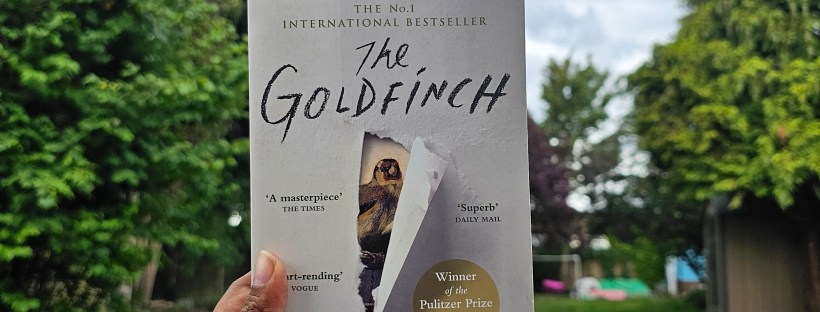
One of these books is The Goldfinch by Donna Tart. I genuinely can’t remember when I brought this, but I have definitely had it sat on my shelf for at LEAST 4 years 😅 I know, it’s so bad!


I was so conflicted reviewing this. There were parts that I loved, Donna Tart is such a beautiful writer, parts of her prose are sublime and I loved the way the story unfolded through art and it’s peppering throughout the narrative. The backdrop of New York just pulled me in and reignited my desire to go there. And to be honest, the first 200ish pages I was so invested in Theo, his story and where it was going to go. Theo as the protagonist and narrator I didn’t hate, I sort of liked him and yet…

The story dragged SO MUCH. There were so many points during this read I wanted to dnf it but I persevered thinking ‘it must get better, there must be something.’ Now, this wasn’t due to the length, but the boredom of continously reading Theo’s drug and alcohol riddled life events over and over and over…and over again. In all honesty, I must’ve skim read about 250 pages in total and rushed the last 150 pages so that I was done with it.

I felt as though not much happened, especially in the middle 300 pages – Boris and Theo get drunk, again, they don’t go to school, again, they take drugs, again, they throw up…again. Drudgery. Absolutely drudgery. I didn’t like Boris as a character, or what he stood for and represented. I am not someone who feels like they MUST connect with every character, each character should bring a nuance to the story, for better or worse. All of these characters (apart from Hobie and Pippa) did nothing for me. They were bland and one dimensional, bringing nothing to the story. When Theo finally got dragged into the underground drug world, I had become so uninvested in his story – I didn’t care.

Urgh. When will Booker Prize winners stop disappointing me 😢

⭐️⭐️⭐️
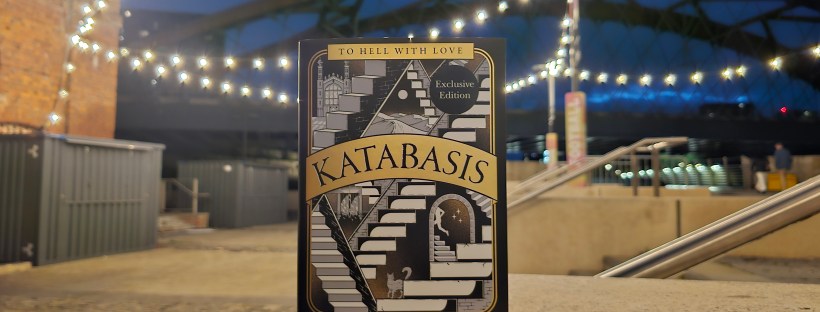
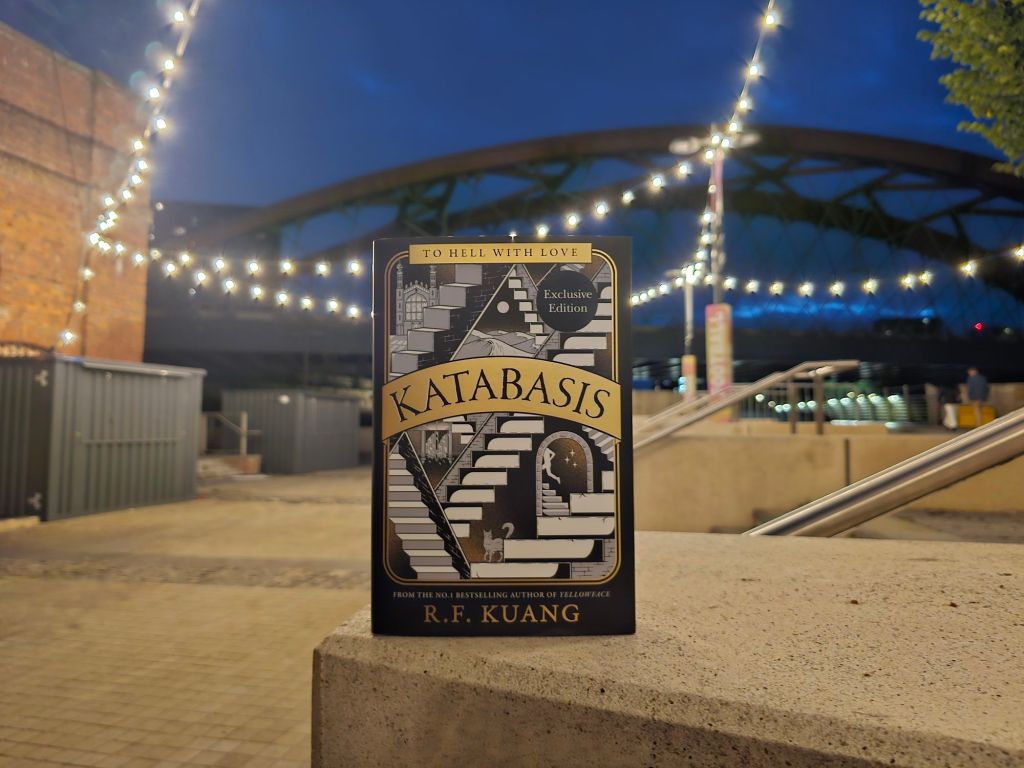
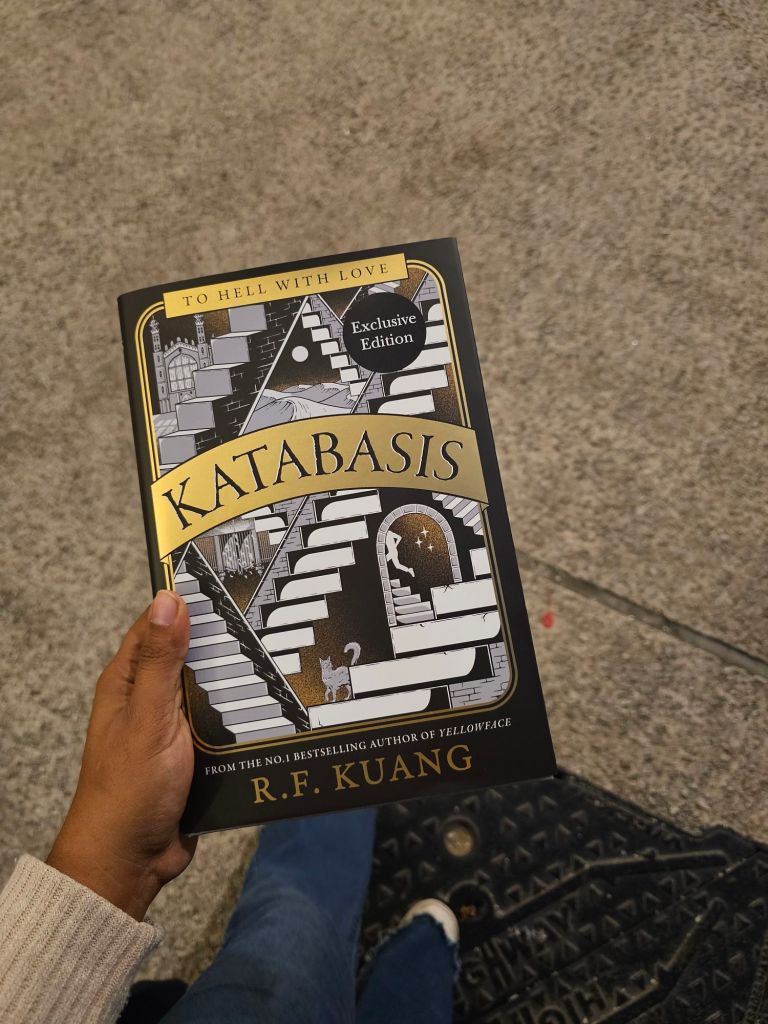
Book review: Katabasis

Hello!

This is going to be a tough one.

Let me start with saying that I LOVE Kuang’s prose and her story building, her meticulous attention to detail through research and her character building – Babel, for me, is just sublime and a 6* read – and it pains me to say this, but Katabasis just fell flat for me.

I was lucky to attend an evening with R.F Kuang as part of Manchester’s Literature Festival and it was a joy to hear her speak about her influences, research and love of literature.


I was so excited for Katabasis off the back of Babel and maybe these high expectations are what let me down somewhat.

Kuang writes so beautifully and the English Literature student in me loved all the classical references to Dante, Virgil and Eliot and their works on Hell, their descriptions, their analogies – she borrows from them and weaves it all together giving the beginning of the novel a gorgeous mystical feeling. And yet…Hell is inherently religious, morality and steeped in culture and Kuang strips Hell of this core factor which, I think, removes the imagination and nuances which the classical stories delve into.


The premise of the story is obviously what drew me in and sounded so intriguing, but, for me, the full potential wasn’t reached and I think it’s because I felt a constant sense of disorientation rather than clarity at Alice and Peter’s descent into hell. The plot jumped from bit to bit, the levels of hell all felt separate rather than being cohesive and feeding into each other – the description and prose of each was beautiful, but at times became nonsensical – massive amounts of exposition – and the narrative amd plot became lost in it. I did like the structure it gave the story and I liked that as they went further into hell the prose took on a darker tone.

The characters. I liked Peter. His story, his silent struggle and his need to keep Alice safe. But his relationship with Alice just lacked…everything. I didn’t feel any chemistry or intimacy between them. I wasn’t invested in their ‘love’ story. To me it didn’t feel anything like a love story – just two people forced to be with each other due to proximity.

Alice. Oh Alice. I don’t mind an unlikeable character with flaws – for me they make a story – I just felt like Alice thought so much of her self, that self arrogance linked to Grimes and then right at the end the romantic feelings for Peter. I couldn’t sympathise with her and by the end I just disliked her. Her acknowledgement of misogyny but refusal to do anything, instead to benefit from it and use Grimes’ attraction to her but then cry when he behaves the way he’s expected. Double standards. But because of this flip/flopping between thoughts and opinions I just couldn’t warm to her.

I appreciate what Kuang was trying to do, it just didn’t work for me 😔

3.5 ⭐️

Palestinian book recommendations: fiction

Hello all.

I wanted to share some fictional books written by Palestianian authors. I won’t spend time talking about all the horror that is happening in Gaza right now because I want to shine a light on the gorgeous words that have come from the people of Gaza.

There are NO spoilers below, but I urge you to read as many of these as you can. The prose is lyrical, beautiful and heartbreaking.

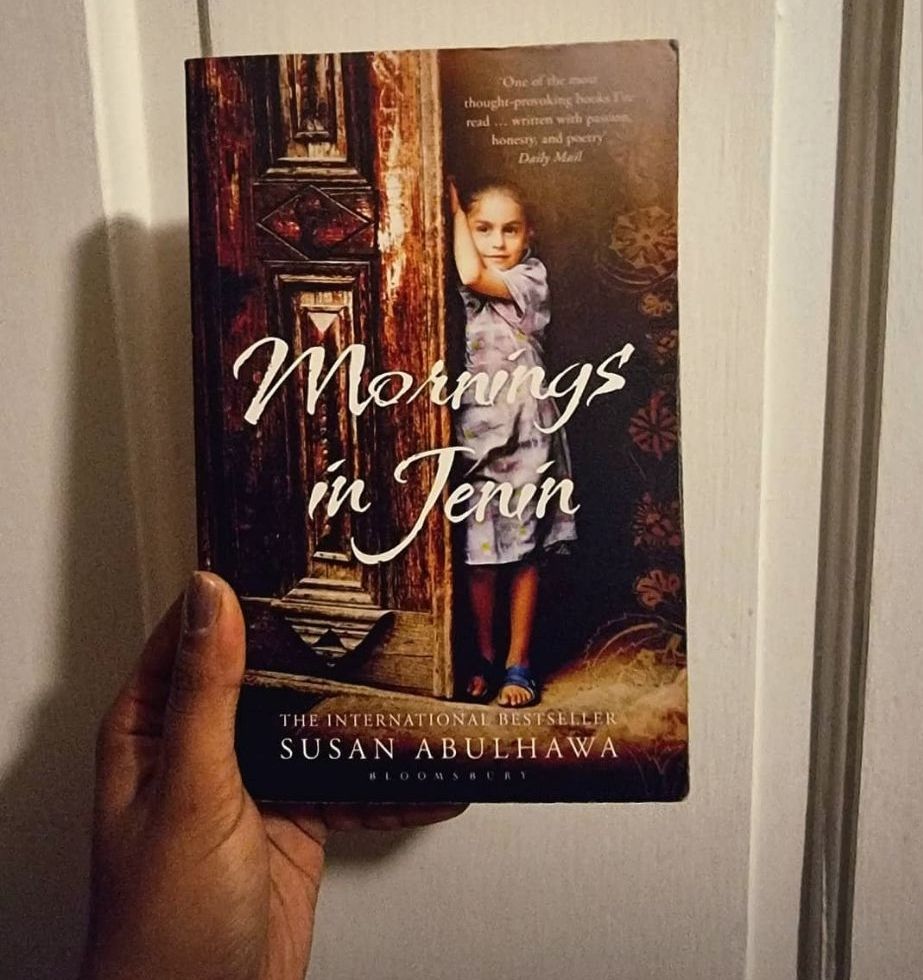
Mornings in Jenin

Starting off with a gut-wrenghing novel. Amal is born into the refugee camp of Jenin after her family was forced to flee Palestine in 1948. But here’s the kicker – her brother, a baby at the time, is stolen away by an Israeli soldier.

The vivid imagery that runs through this really immersed the reader and keeps you engaged and hooked until the very end. She really does get across feelings of hopelessness and grief, which can make it difficult to read, but it’s so necessary.

Mornings in Jenin by Susan Abulhawa

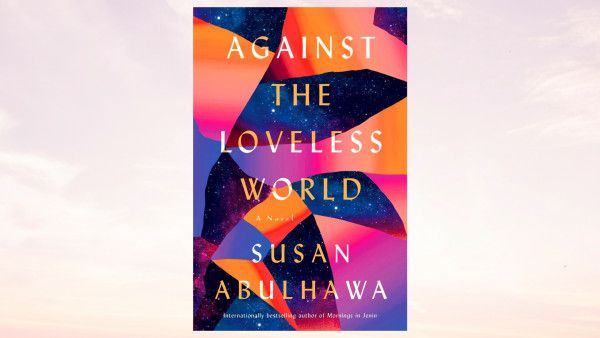
Against The Loveless World

Another by Susan Abulhawa – I really do enjoy reading her work!

This novel. Where do I even begin? Following a young Palestinian refugee, Nahr, we listen to her story, which is being told from solitary confinement, as she becomes more and more radicalised.

Abulhawa blends fact with fiction and it haunts me to this day. It’s a book I think about every couple of days to be honest. The rawness of the prose, the gritty nature of what it means to be a women who is dealt a hand and has to make do in a world that is not meant for her at all.

Against the Loveless World by Susan Abulhawa

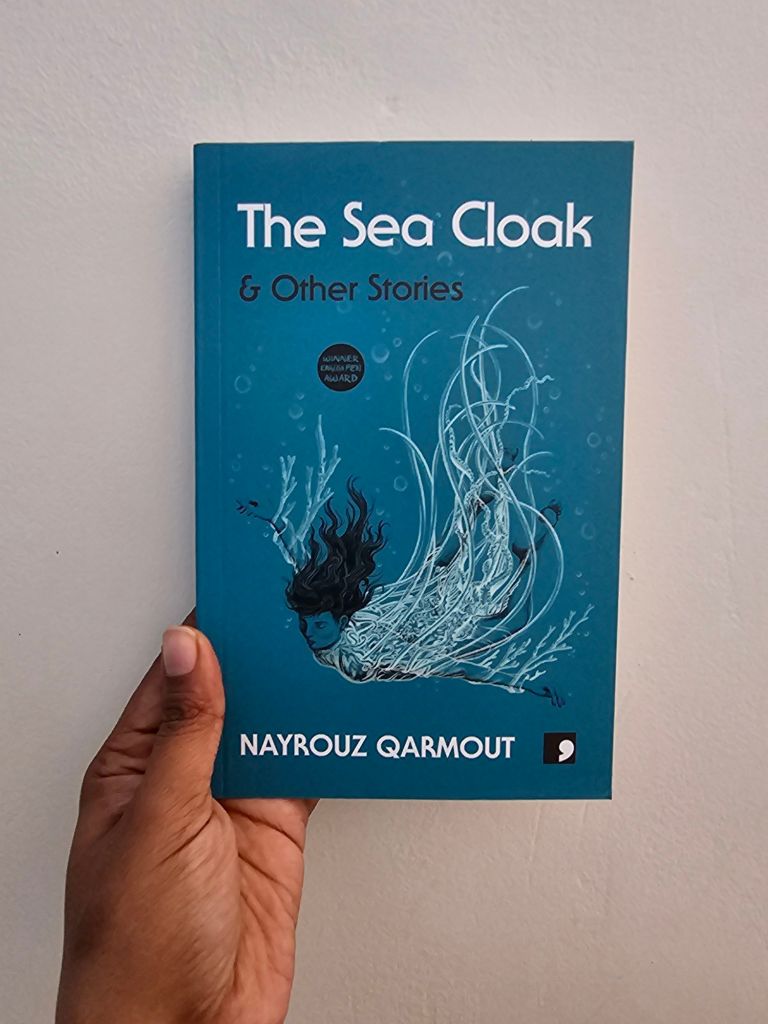
The Sea Cloak & Other Stories

A collection of short stories from Nayrouz that are drawn from her experience of growing up in Gaza. This is a short book, only 100 pages, with 11 stories.

Quick snippets and insights into a range of different characters and a real focus on what it is like to live in Gaza – forcing the reader to envision life there. Short stories are always so much hard hitting I find, because of their length. The message hits harder, the words are more scathing and the prose is more sharp.

I think my favourite short story from the collection was ‘Pen and Notebook’, but they were all gorgeous.

If you are a fan of Susan Abulhawa, then I think you’d really enjoy this!

The Sea Cloak by Nayrouz Qarmout

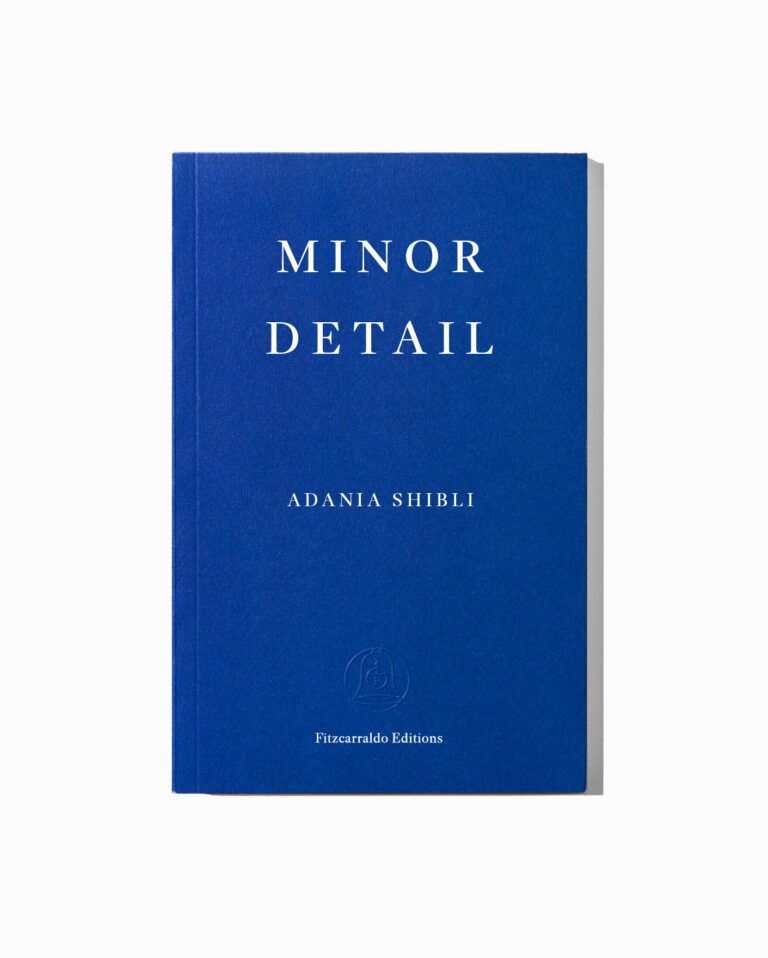
Minor Detail

Don’t be fooled by the length. Whilst this is very small, 112 pages, it packs a massive punch in feels. I was gifted this by a friend last year and it has stayed with me ever since. If you can’t commit to something longer, this is a great, but impactful, one to start with.

Shibli intertwines the modern with the past. A Palestinian writer risks her life to find out more information about a young Palestinain girl who is raped, killed and buried by Israeli soldiers in 1948.

The story is hauntingly beautiful. The title encapsulates life – how one minor detail can strike any one of us and change our entire trajectory in life. Shibli’s narrative is sharp and gets to the point – there is no hiding.

Minor Detail by Adania Shibli

Returning to Haifa

Another short read and a play! I have to read the novella, but the play packs a punch. I read this and feeling more and more deflated and desolate as I got towards the end because I knew how it was going to end, but that didn’t take away from the story.

Two families – one Palestinian, one Israeli – are forced to live out their stories side by side. Starting in 1948, after the Nakba, the plot travels through to 1967, the Six days war, where Said and Saffiya dare to travel back to their home in Haifa and the memories that dome with it.

Returning to Haifa by Ismail Khalidi and Naomi Wallace

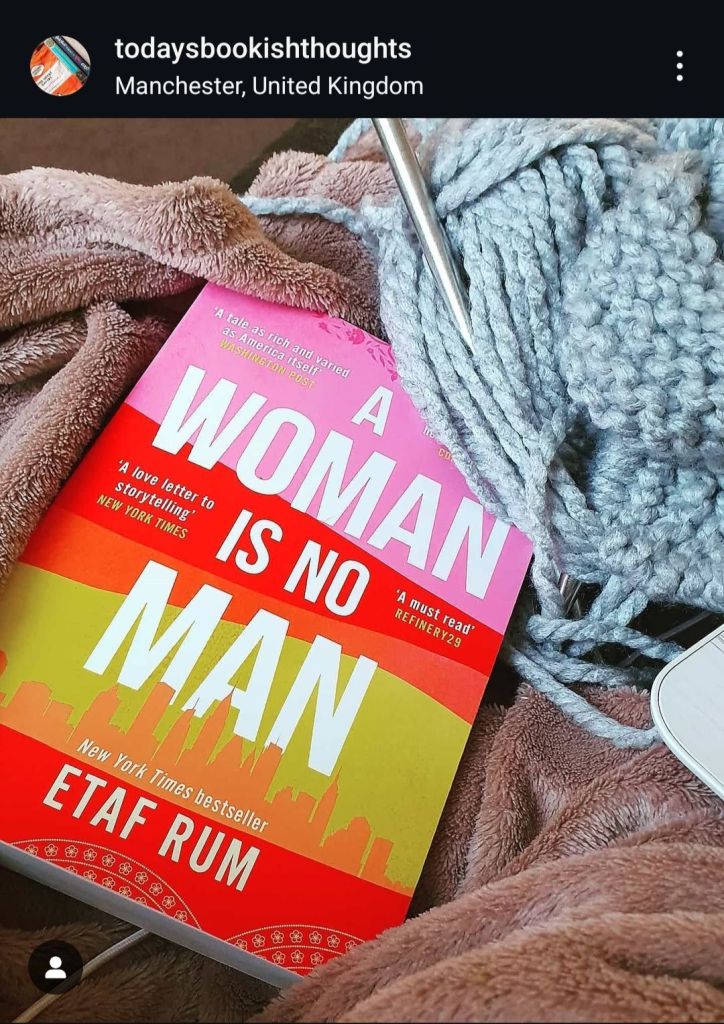
A Woman Is No Man

Set in America, Rum tells the stories of three generations of one family of Palestinian American women and their struggle to find their place in this world, in this society and within their own culture. We go through their struggles, desires and shameful family secrets that threaten to tear apart the whole family through the three women – Deya, Isra and Fareeda.

The women, and men, in the novel adhere to and break stereotypes that are forced upon them, and so many others around the world.

A Woman Is No Man by Etaf Rum

I can never do these stories justice. They’re meant to be read. Meant to be cried over. Meant to stir anger and passion.

All of these books were 5 stars for me. They were achingly, heartbreakingly beautiful reads. The imagery, the pain that is at the heart of each story, connecting it. They were all sublime.

Happy reading!

🇵🇸🤍🍉

xo

Deeds not words.

Happy International Women’s Day to all!

In 2018 I wrote about a badass woman Princess Sophia Duleep Singh who led an incredible life. If you don’t know who she is please give it a read!

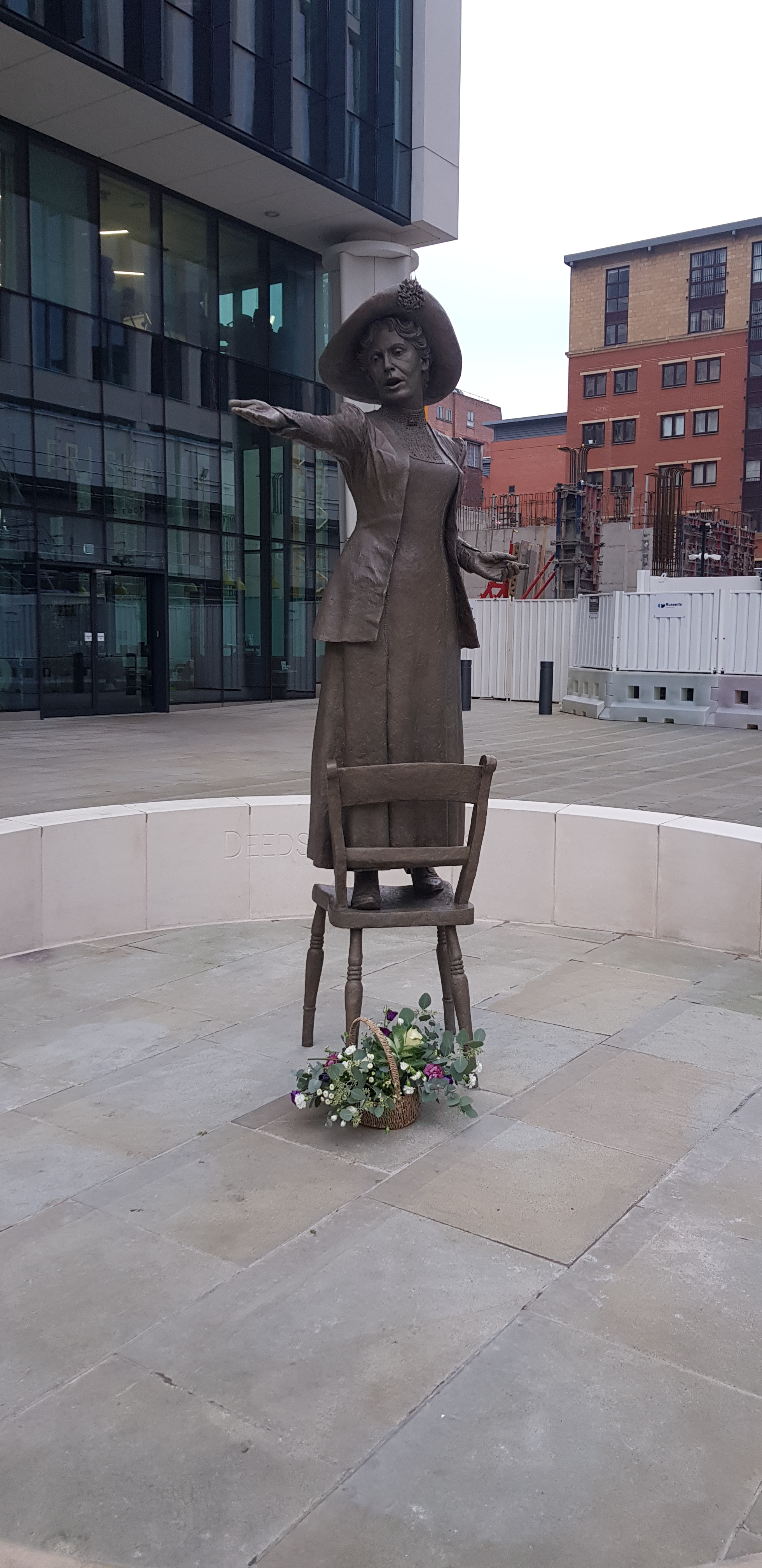
This IWD I want to pay homage to one of the original suffragettes – Emmeline Pankhurst.

Emmeline Pankhurst statue in Manchester.

Seen by many as a radical and a threat, Emmeline was a woman who refused to back down and allow women to be mistreated after seeing the dire conditions that many worked in in Manchester’s workhouses. Her methods may have been extreme, and their effectiveness has been disputed, but there is no denying that her work was crucial and seminal in leading the movement and gaining votes for women.

Born and raised in Manchester, it’s amazing to see this statue everytime I make my way into the city centre. It genuinely brings a smile to my face watching and seeing people young and old surrounding the statue. It gives people, especially young boys and girls, a chance and an opportunity to discover a part of Manchester’s history that went on to change the entire UK.

Feminists don’t wear pink

“Feminists Don’t Wear Pink” is a collection of short stories and essays from women across Hollywood from actresses to teenage activists. They l tell their story of their personal relationship with feminism and what it means to be a woman. For me, it shows is how far we have come as women and a society, but still how far we have yet to go.

There are still 31 million girls in the world not in school and 17 million of them probably never will. 1 in 5 women in the UK have experienced sexual assault – but these are just from the brave women who have come forward to report it. And at the rate the word is going it will take over 100 years just to close the gender parity gap.

Emmeline Pankhurt fought over 100 years ago for the rights for women, but in order to make the world a fairer and just place we must all come together to create it.

Let us all incite this meeting to rebellion.

xo.

Booktour of LDN: Persephone Books

Hi!

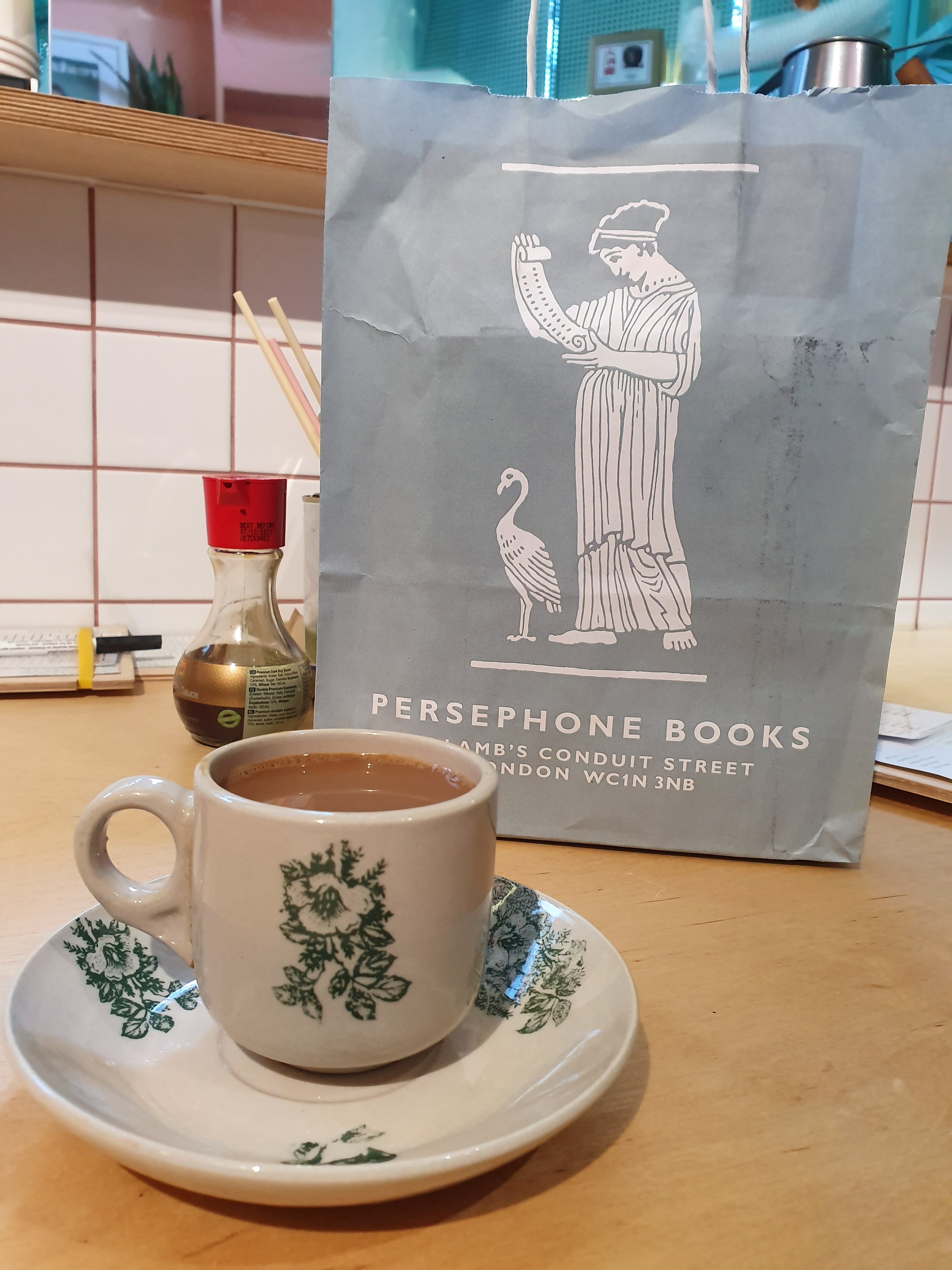
I spent a couple of days in the good ol’ UK capital this week and decided to pay a visit to one of my favourite book stores – Persephone Books.


Persephone Books reprints neglected fiction and non-fiction by mid 20th Century (mostly) women writers. There are around 132 books that they publish that range from novels to stories to diaries to memoirs to cookbooks!


This is a must for any book lover or bookstore lover to add to their list. If you get the chance whilst you’re in London, definitely give it a visit! The books range from around £12-£13 or you can grab 3 for £33, and a lovely  little extra is you get individually crafted bookmarks for each if the books you buy!

I picked up 2 novels and a book of poems – The World that was Ours by Hilda Bernstein, It’s Hard to be Over Thirty by Judith Viorst and A Lady and her Husband by Amber Reeves. Can’t wait to get stuck into these so keep an eye out for my reviews🙂

If you would like to check out their catalogue, head on over to the website!

xo

Placement level…complete!

Hello everyone 🙂

Hope January is treating you all well. I know it can be a difficult time for a lot of people, but bigger and brighter things are around the corner for you!

What’s new with everyone?

For me, I finally completed my first placement of my teaching training course which means I’m more than halfway through! Gosh. I didn’t think this would come around so quickly. It felt like it was dragging its heels😅 but in the best way. I enjoyed it completely and gained so much from it that really cemented that teaching is the career for me.

I bawled like a baby (in private – can’t let the kids see that!) when one of my classes gave me a notebook filled with lovely comments about my teaching. Urgh😭

With teaching there’s that constant feeling that looms over you that you’re not good enough or that you’re not doing enough. And boy did I feel that on an hourly, never mind on a daily, basis. There is always something more you could be doing. Even right now, writing this, there is something that I probably could be doing to enhance my teaching career. But where is the stop sign? Where are the boundaries? There aren’t. It’s as simple as that. The main thing I learnt on my first section of this journey is the need to switch off and to separate myself from my teaching and my teaching persona. It’s hard and I’m still navigating through the currents, but I’m slowly starting to get there. Waking up in a panic at 3am most nights thinking about things I hadn’t completed, or even started, was not the one. Everything I watched or heard, or conversations I took part in made me think about how I could use it in my lessons. Pages upon pages of notes of ideas…have I used any of them? Big fat nope.

It’s definitely an all encompassing career and one that 100% will take over your life if you let it. Yet, I’m thriving and crossing everything that my next placement goes just as well.

xo

You’ll be the prince and I’ll be the princess. It’s a love story, baby just say yes.

Hello 🙂

I love love. I love romance. Give me heart wrenching, tear jerking couples pushing and pulling at each other, not realising they’re made for each other only to recognise it at the last moment to love happily ever after. Give me couples who shouldn’t be together or are enemies who fall in love, along with all the other soppy clichés. I’m a sucker for it. Ahhh ❤

But that’s not to say I enjoy reading romance novels where that becomes the only plotline and everything else redundant. For me, I like to have romance in novels/literature as an added bonus rather than being the main plot. I don’t want characters to be reduced to being love interests, I want their love to add to a story, to enhance it further, to be a driving force. More often than not however, that’s the case. Whether it be women thrown into a narrative, reduced to being nothing more than a one dimensional sexual character, or a male character being written purely to enhance a female’s story – to give her story purpose – because she can’t have a purpose without a man surely(!) I want flawed characters. I want them to fall in love with the person and the not the idea of romance. I know that it might be a little hypocritical to say that given that the first thing I said was I love romance. I mean the whole idea of romance is to sell an idyllic version of it right? To allow us to fulfil our fantasies and escape to a world where everything is easier and simpler, where a boy would come in and sweep you off your feet or a girl would give everything up for you in a heartbeat, you take one look at the movie industry in the 90’s and you can see that, it distorts or perceptions and our ideas of what love and romance should be and more often than not, the reality never lives up to the fantasy.

But. When you think of the best fictional couples, or when I think of my favourites, the ones that instantly spring to mind aren’t the perfect couples where everything goes right. My favourite literary couples are the ones where actually, everything goes pretty wrong. Where they butt heads and clash. Where they have a difference of opinions but compliment each other, making each other whole. Love is imperfect so why shouldn’t the couples be imperfect with it? Love is blind and romance is a fantasy, but what I love about my favourite fictional couples is their resilience, their strength and their fight for one another. Give me Elizabeth Bennett and Mr Darcy with their different stances on pretty much everything. Give me Ron and Hermione who are imperfectly perfect for each other (no matter what JK says!) and give me Oliver and Jennifer who show that romance will never die.

“The very essence of romance is uncertainty.”
― Oscar Wilde, The Importance of Being Earnest and Other Plays.

xo

I didn’t know I was a feminist until…

I’d like to think that I was always a feminist, or that I’m able to pinpoint the exact epiphinising moment that I realised “I am a feminist,” but the truth is I can’t. It’s a feeling and a power that’s grown within me over the years, be it through my expansion of reading different genres and authors, meeting amazing women and men, and having been surrounded from a very early age by independent and strong women, but also men in touch with their emotions. I’ve always known and felt what I believe to be right in my core when witnessing injustice, but I was never able to put a label on it. I didn’t even know the term feminism existed until I was in my early teens and I came accross the term whilst researching Emmeline Pankhurst for a school project. Ridiculous I know. Or is it? Are we taught enough about the movement or it’s meanings enough when at school? I don’t think so. For something that is so fundamental and integral to society, it needs to be. Maybe this is part of the reason I want to become a teacher – to educate and provide young people of the future with all the knowledge they need to make up their own minds. Or maybe it’s just to push the feminist agenda 😉

God. The femenist agenda. There’s still the ‘bra burning, man hating’ stigma attached to the term that even as we go in 2019 many people hear the term and immediately turn away from the conversation, refusing to partake or even listen. Or they scoff, ‘pssh feminism. What do you even need that for any more? You can do what you want and vote right? Don’t you have everything you wanted, what more do you women want?” Weeeelll…actually no. I mean it’s great that I can vote and own property and have control of my own body, cheers guys, but there is still so much we need to achieve.

What even is feminism? I’ve spoken about it and the term has probably been mentioned thousands of times this year alone, but what is it exactly?

FEMINISM (noun)

fem•i•nism

– The political, economic, and social equality of the sexes.

Does that sound horrifying? Totalitarian? Matricarchal over rule? Women wanting out to stamp out men? Nope. Sounds pretty normal right. Equality. What a profound idea and notion. And for different people and socities it means different thing. Women want to be awarded the exact same opportunities and accolades as their male counterparts, to not be boxed in to an ideal, to be shunned or laughed at or not taken seriously. For girls all around the world to have an education, to end child marriages, sex slavery. To allow every single woman and girl on this planet the chance to fulfil their potential. How can we affect change and make a difference when millions around the world are unable to partake?

When you haven’t, and are not, seeing yourself represented in the world around you, it has repercussions. It serves to keep us down and dampen our strength and resolve, and in turn our ambition and potential. I say this as a woman and British born Pakistani woman. The entwining of my two cultures, both of which I adore, is a difficult one. The ideals of what a women should do and how they should behave are paramount to society within each, and at the core are the same. Women are lauded and demonised for their sexuality, openness and for speaking their mind.

And before anyone says but what about men? I thought you said it was about equality for both! 100% yes. Men and boys need to partake in the conversation as well. It’s not just women who are boxed into societal gender stereotypes. It’s time to break the glass ceiling on men being unable to get in touch with their emotions, for men to be viewed differently if they decided to be a stay at home parent, for boys to express themselves with makeup or the clothing they decide to wear. We as a society, and a world, can only move forwards if we all partake in the conversation. Smash that ceiling and smash it to millions of teeny tiny pieces.

I didn’t know I was a feminist until I decided I was, but you better believe that I’m not stopping or slowing down for anyone.

xo

Book Review: Alice

Hello everyone😊

Hope you’re all having a fab day!

I recently read Alice by Christina Henry and I loved it! I really enjoyed the way in which Henry distorts the story and the characters I grew up reading. The plot we’re accustomed to reading becomes sinister and the story itself takes on a much darker tone, while all the while being imbued with the magical elements that captivated us as children. Our beloved characters are re-imagined and Alice is no longer the wonderous child-like protagonist we know and love. Instead she follows a much darker path.

Henry’s adult interpretation of Carrol’s beloved characters allowed me as a reader and a lover of classical literature, to envision a whole new world for Alice. A world that isn’t fairytale like, but gritty and real. I connected with Alice’s struggle in this novel – her quest to find answers, her need to know more, to find her place – and Henry’s writing ensures the story is easy to follow, the characters relatable and this new world that we find Alice, in fascinating. Henry has appealed to the masses with adding a dystopian spin to the plot (Hunger Games, Maze Runner etc etc), but what sets this apart is the incorporation of well known characters.

One of my issues with the story was the lack of character development for Alice herself. I really would’ve loved to have seen her come into her own and become the rebel with a no-care attitude. At times her character development felt rushed or stilted, but this is a trilogy and I can’t wait to read the next instalment to see where the story and character development goes!

“Beware the claws that catch…”

xo

Waiting for my Heathcliffe

Hello!

I hope you’re all having a lovely day!

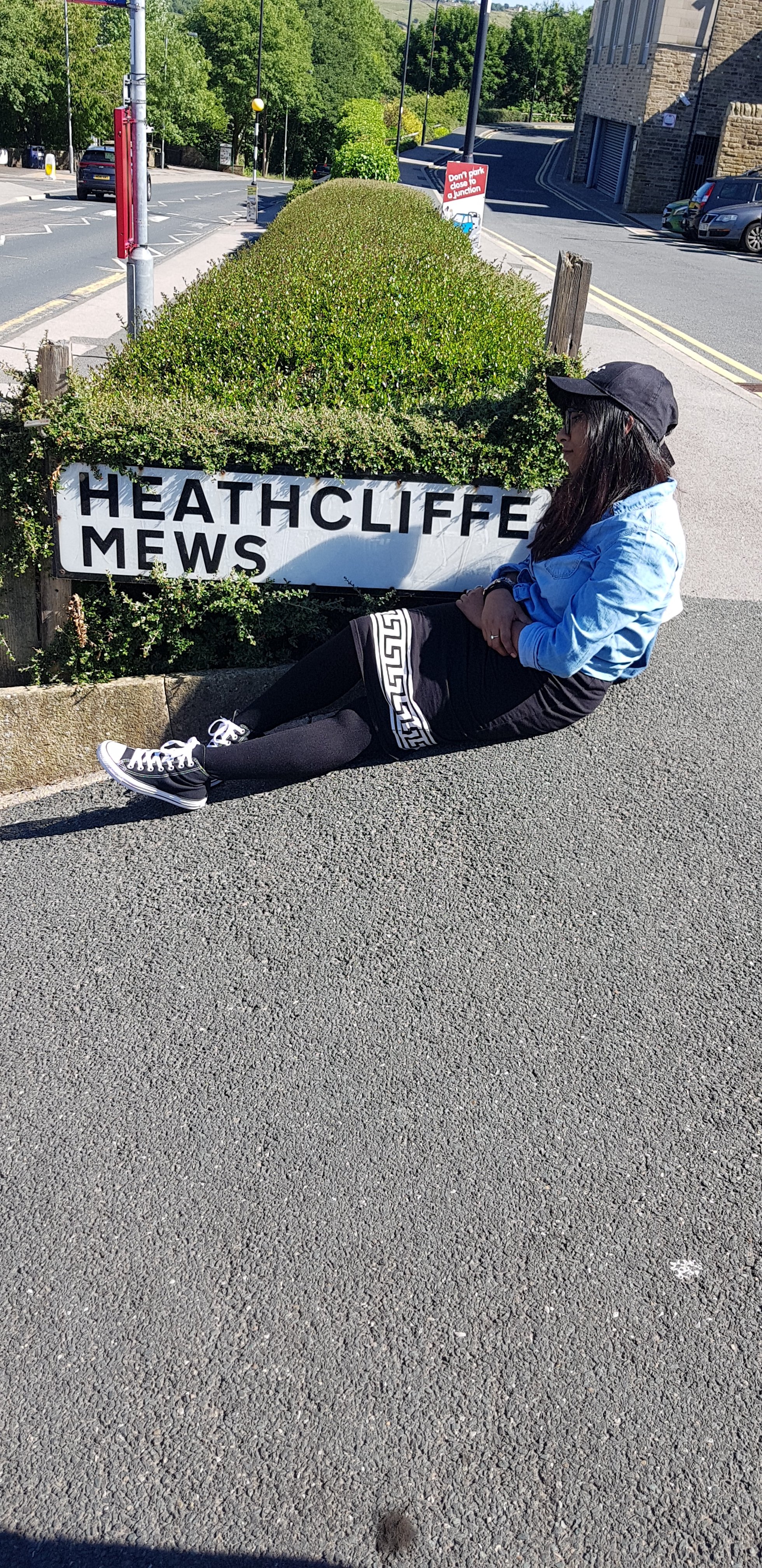
I have had the best day today😁 I travelled along to Haworth in West Yorkshire to visit the Brontë Parsonage to have a wander and a gander.

It’s so beautiful😍❤

I am a Jane Austen girl at heart, but the depth of characters and raw emotion you feel when reading Brontë novels is inspiring. It’s no wonder that Austen and the Brontë sisters are constantly compared – on the surface they’re similar, women writers talking about love and romance – but once you get into the stories they differ wildly.

It’s no secret that that Brontë sisters, especially Charlotte, disliked Austen and her literature. They felt she didn’t write about real women, real passion, or anything of real, solid substance. I disagree, but when you read them side by side it’s not hard to see the differences. The Brontë sisters romantic plots are darker and their men wilder – Wuthering Heights and Jane Eyre are perfect examples, while Austen focuses more on satire, social realism and class through romance. Could you imagine Mr Darcy roaming Derbyshire stricken with grief like Heathcliffe does on the Yorkshire moors?

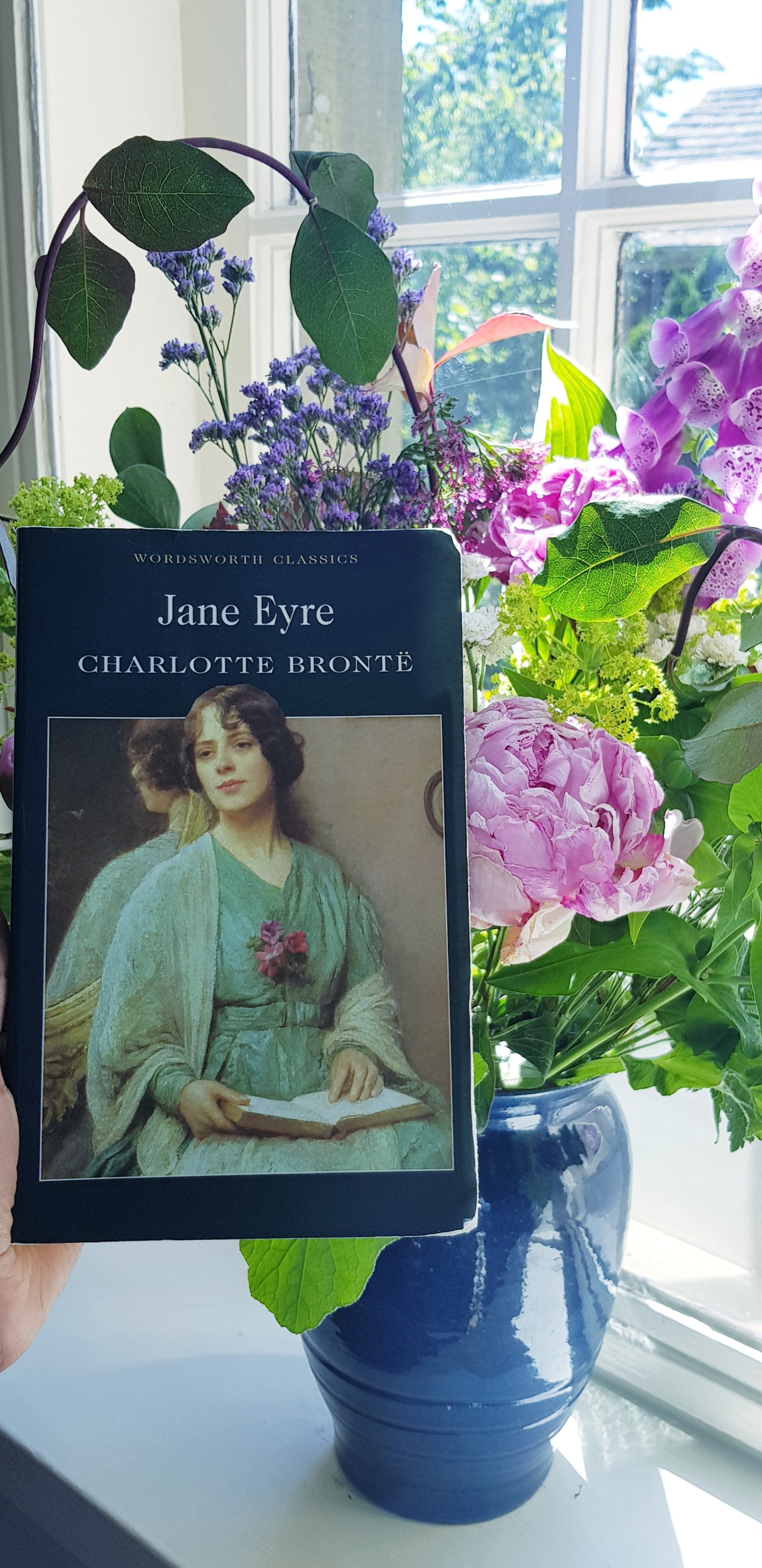
Jane Eyre takes a lot from Charlotte Brontë’s own life – the death of her sisters, her schooling and her anguish at these. They say write what you know, and Charlotte certainly does this. The theme of wanting to belong runs throughout the novel and we see Jane try and find her place and her worth from the classes of Lowood to the halls of Thornfield. She must find herself without jeopardising who she is and what she stands for. Rochester is not her happy ending nor the man who saves her. He is the man she chooses, and who is her equal.

I hate that people say you’re either a Brontë fan or an Austen fan, they offer very different things through their literature. So just because you favour one over the other doesn’t mean you can’t still love and enjoy the other. I know I’m still waiting on my version of Heathcliffe/Darcy😊

xo